
As 2026 begins, compliance teams continue to navigate a landscape marked by rapid regulatory change and increasing operational demands. Traditional manual approaches are no longer sufficient. To remain resilient and efficient, organizations must modernize their compliance operations by embracing automation, centralization, and a culture of continuous improvement. Proactive adaptation is essential for meeting evolving regulatory standards and maintaining operational excellence.
Modernizing Compliance Operations
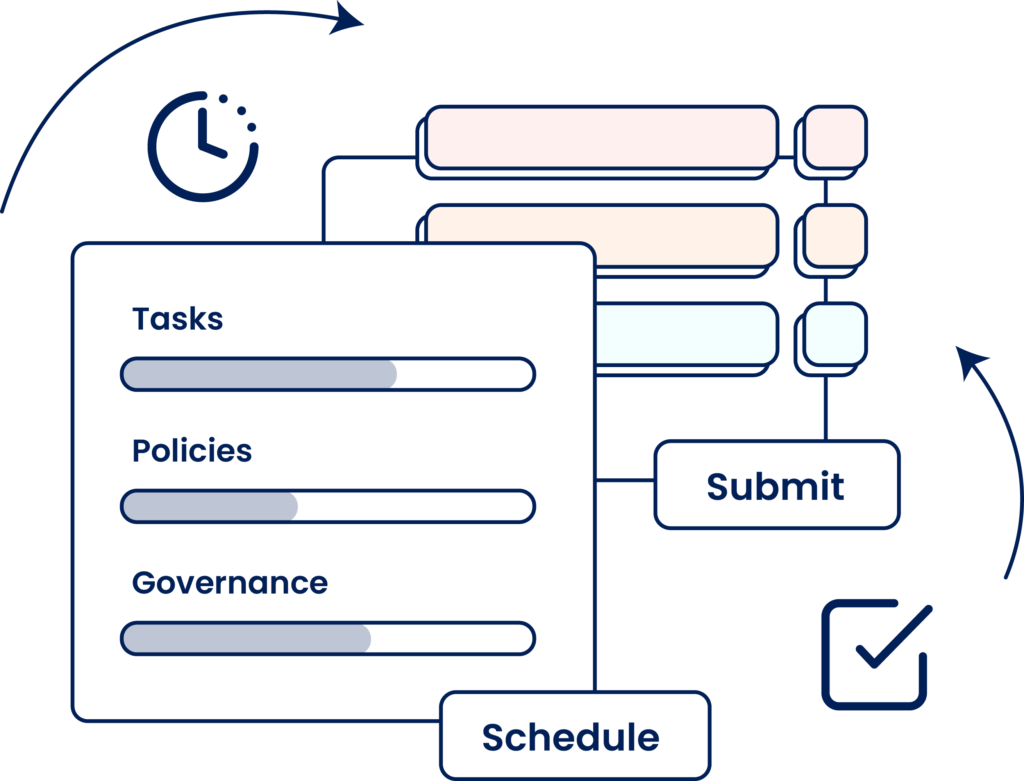
Many organizations still rely on spreadsheets, email threads, and manual reporting to manage compliance, which can create bottlenecks and increase the risk of missed deadlines or regulatory penalties. The first step toward a robust compliance program is a comprehensive review of current workflows to identify repetitive, time-consuming, or error-prone tasks for automation. Centralized compliance platforms unify monitoring, affirmations, reporting, and risk tracking, providing a clear and auditable view of compliance posture. Scheduled notifications and workflow management tools help streamline processes and ensures controls remain effective and auditable.
The first step toward a robust compliance program is a comprehensive review of current workflows to identify repetitive, time-consuming, or error-prone tasks for automation.
Building a Digital-First Compliance Culture
Meeting Regulatory Expectations and Ensuring Resilience
Regulators increasingly expect firms to demonstrate data-driven oversight, robust governance, and risk management. US regulators—including the SEC, FINRA, and OCC—have issued clear guidance encouraging financial institutions to leverage technology such as automation, artificial intelligence, and centralized platforms to strengthen compliance programs. The SEC’s recent amendments require robust incident response and oversight of technology providers, while FINRA’s annual reports highlight the importance of automated controls, real-time monitoring, and AI-powered risk detection. The OCC has established dedicated offices and initiatives to support safe and sound adoption of financial technology. Across these agencies, the message is consistent: technology is not just permitted, but expected, as a means to achieve greater transparency, resilience, and regulatory adherence. Firms that proactively modernize their compliance operations will be better equipped to meet evolving standards and respond confidently to regulatory scrutiny.
Why Modernization Matters in 2026
2026 is a turning point for compliance in US financial services. Firms that invest in technology, process optimization, and a digital-first culture now will be better positioned to navigate regulatory complexity, improve efficiency, and maintain operational resilience.
To move from intention to action, firms should use 2026 as the year to accelerate their compliance transformation. Here’s a practical checklist to guide immediate steps:
2026 Compliance Modernization Checklist
- Centralize Compliance Data:
Consolidate compliance records, policies, and reporting into a single, auditable platform to reduce fragmentation and improve oversight. - Automate Key Workflows:
Identify and automate repetitive compliance tasks—such as policy attestations, regulatory filings, and internal certifications—to minimize manual errors and free up staff for higher-value work. - Strengthen Change Management:
Launch targeted training and change management programs to help teams adopt new tools and digital-first processes, ensuring technology investments deliver real results. - Enhance Regulatory Readiness:
Review and update incident response plans, vendor oversight protocols, and documentation practices to align with the latest SEC, FINRA, and OCC expectations. - Establish Continuous Improvement Cycles:
Set up regular reviews of compliance processes and technology to test and quickly adapt to new regulations and industry best practices. - Engage Stakeholders:
Involve business leaders, IT, and compliance teams in modernization efforts to ensure alignment and shared accountability.
By acting on these priorities now, firms will not only reduce operational risk and improve efficiency, but also demonstrate to regulators and clients that they are committed to transparency, resilience, and long-term success.
About Compliapps USA
At Compliapps USA, we empower compliance teams with a centralized management platform designed for the unique needs of US financial services. Our solution features automated workflows, risk dashboards, digital registers, and audit-ready reporting—helping you meet regulatory expectations while reducing manual effort.
Ready to modernize your compliance function for 2026?